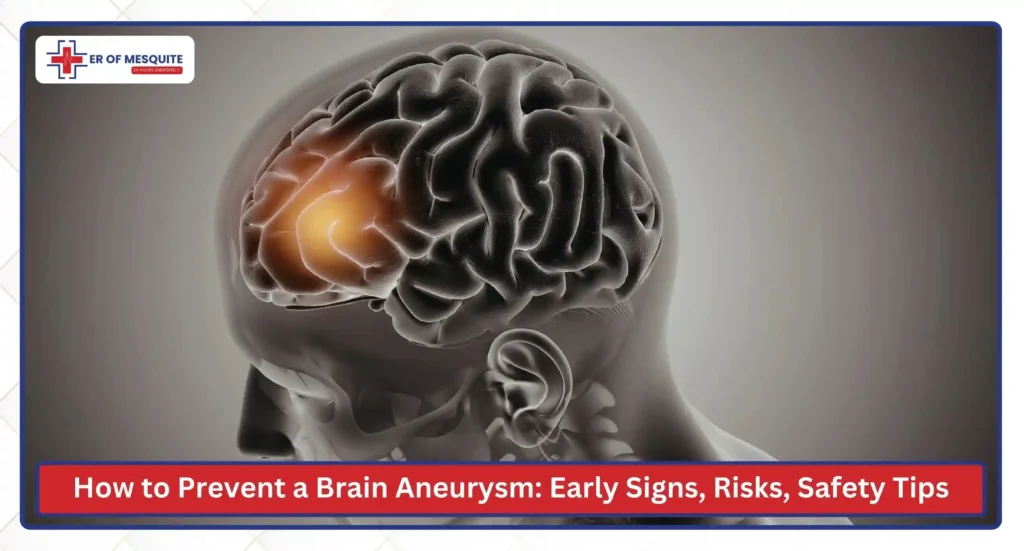
A brain aneurysm can develop without any visible signs for years. Patients do not realize they have a brain aneurysm until it suddenly ruptures, causing life-threatening bleeding in the brain. Since it is unpredictable, understanding how to prevent brain aneurysms is essential for protecting long-term brain health.
Not every aneurysm can be prevented, but a few steps can significantly reduce the risk of growth and rupture.
Factors such as high blood pressure, smoking, an unhealthy diet, and excessive alcohol use stress blood vessels, increasing aneurysm formation and rupture. Recognizing early warning signs, managing underlying health conditions, and making healthier lifestyle choices can help strengthen blood vessels.
What Causes a Brain Aneurysm?
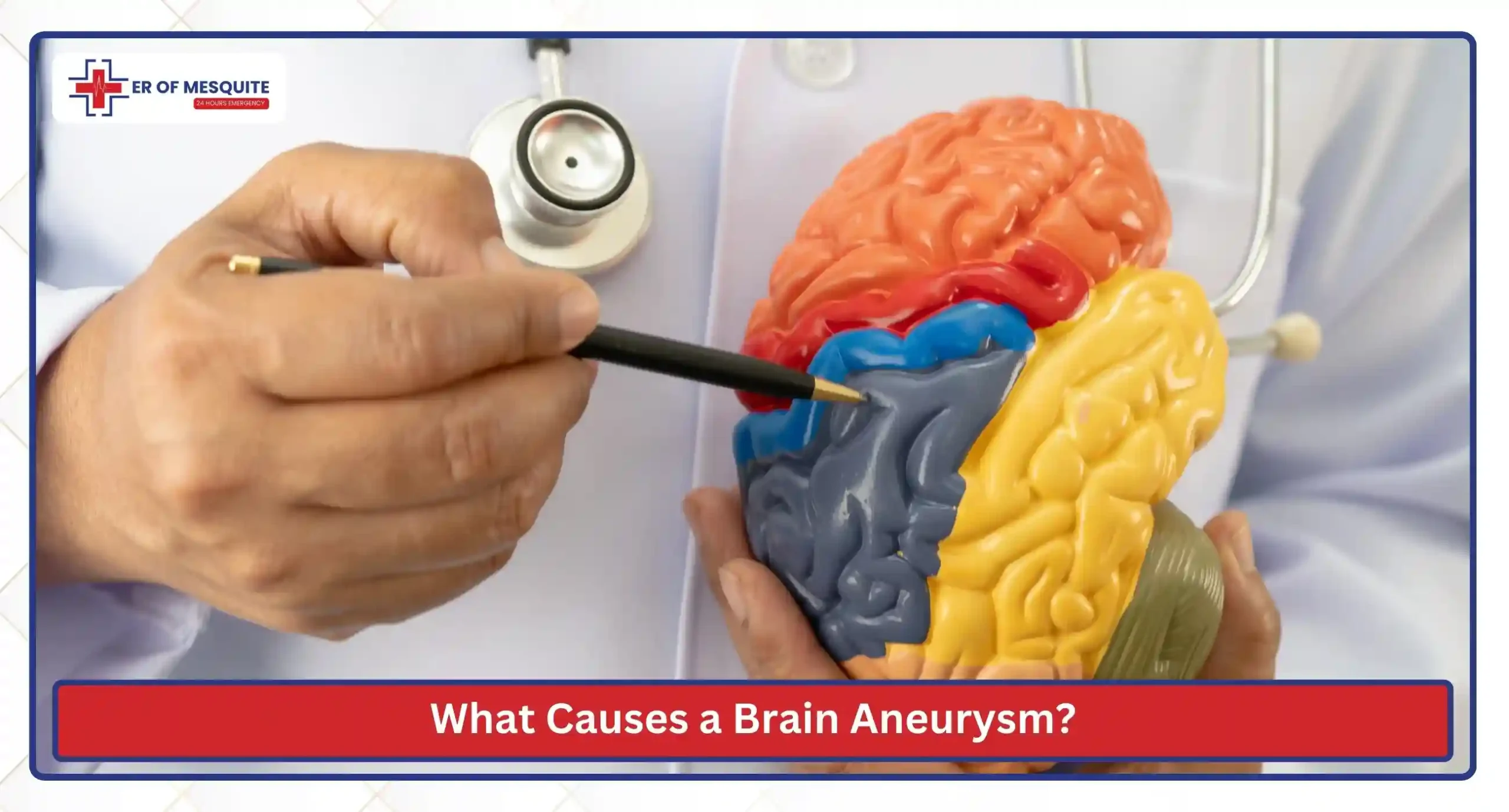
A brain aneurysm is referred to as a cerebral or intracranial aneurysm in medical terms. It occurs when a section of a brain artery gradually weakens. This expands the brain artery due to constant blood flow.
Mostly, this weakness happens in arterial junctions, where turbulent circulation places repeated mechanical stress on the vessel wall. A brain aneurysm might occur due to lifestyle-factors and inherited chronic problems.
Understanding these underlying causes is essential for early risk reduction and long-term prevention.
Below is a list of a few common causes of brain aneurysms:
High Blood Pressure
Having persistent hypertension can cause stress on the arteries, which weakens the vessel walls.
Harmful products intake
Using tobacco or smoking can cause inflammatory damage that speeds aneurysm formation.
Genetic Disorders
Inherited conditions, including polycystic kidney disease or other syndromes, can increase vascular fragility.
Head Trauma or Brain Injury
Serious brain injuries are one of the common reasons for brain aneurysms. It is essential to visit an ER immediately for an emergency head injury or TBI, so that the condition can be quickly evaluated and the appropriate treatment can be administered.
Aging and Vascular Degeneration
Over time, the blood vessels start ageing, and elasticity is naturally lost, causing a brain aneurysm.
Early Symptoms of Brain Aneurysm
A brain aneurysm is called a silent condition, as in the majority of cases, it remains asymptomatic until it enlarges or ruptures. However, since it causes pressure on surrounding nerves and brain structures, early warning signs may appear.
These symptoms are mistaken for migraines, eye strain, or general fatigue, leading to delayed diagnosis.
Recognising these early indicators is essential for timely medical evaluation, which can prevent rupture and life-threatening complications.
Below is a list of common signs of a brain aneurysm:
- Persistent or Unusual Headaches
- Blurred vision
- Eye Pain or Facial Numbness
- Concentration and memory issues
- Dizziness or Balance Problems
What happens when a brain aneurysm ruptures?
A ruptured brain aneurysm can cause serious impact, including bleeding inside skill, and other life-threatening issues.
Once it happens, blood quickly escapes into the nearby brain areas, disrupting normal brain function.
Here is what normally happens when a brain aneurysm ruptures:
- Subarachnoid Hemorrhage (SAH): Causes bleeding in the subarachnoid; a space between the brain and arachnoid membrane.
- Vasospasm: Constriction of cerebral arteries leading to reduced cerebral perfusion and potential ischemic injury.
- Hydrocephalus: Increases intracranial pressure, accumulation of cerebrospinal fluid or blood in the ventricles.
- Seizures: Abnormal electrical discharges secondary to cortical irritation or ischemia.
- Hemorrhagic Stroke: Causes acute neuronal injury due to intraparenchymal or subdural bleeding.
- Coma: Prolonged unconsciousness causing diffuse cerebral dysfunction.
- Death: Almost 50% of ruptured aneurysms result in death.
When doubtful, it is important to visit a healthcare centre to get the necessary imaging done, such as an ultrasound scan, to detect the underlying issues.
Can Lifestyle Changes Really Lower Rupture Risk?
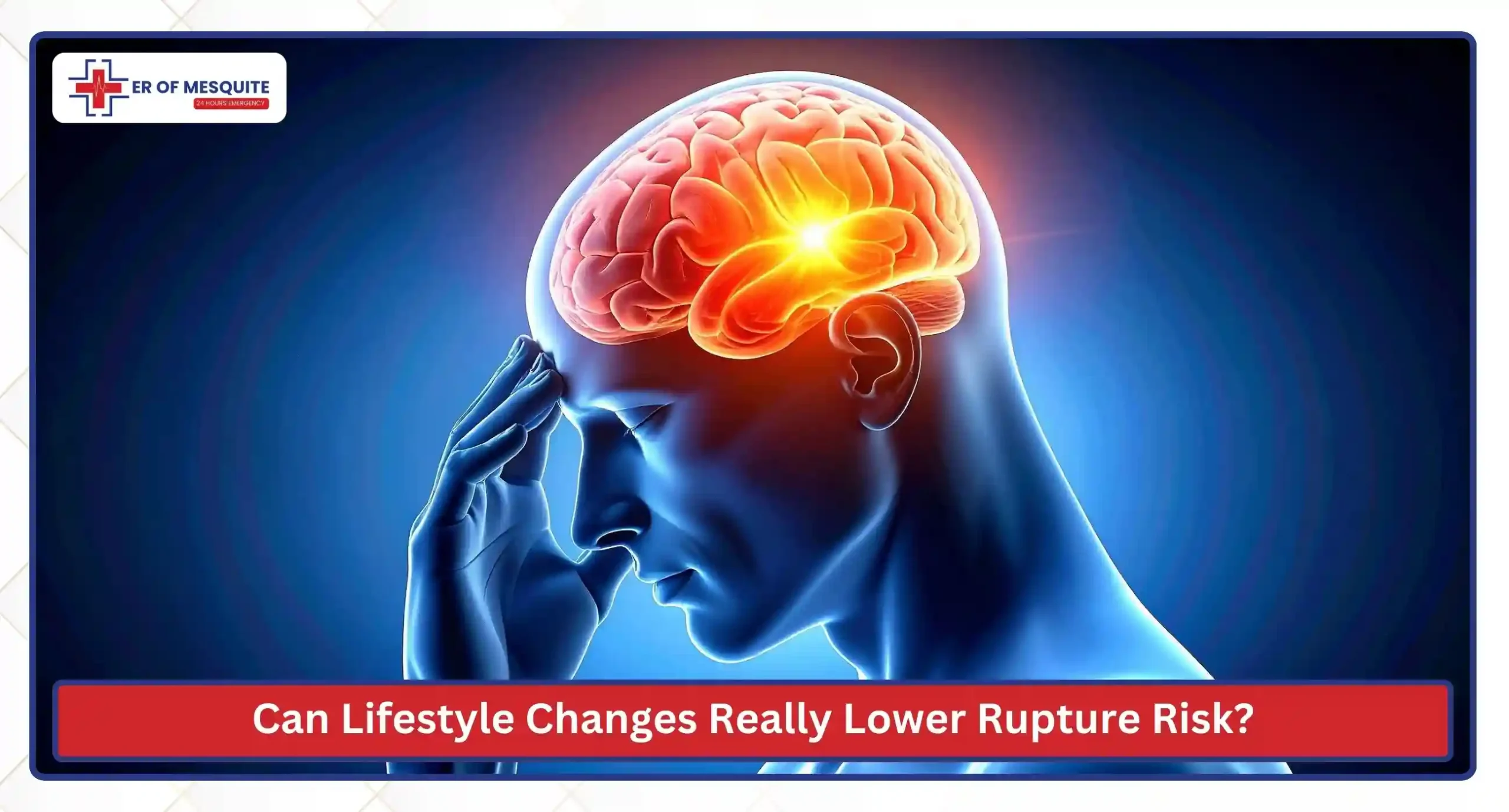
Yes, by making a few healthy lifestyle changes, the chances of a brain aneurysm rupturing can be avoided to a great extent. Although a few genetic factors, such as inherited chronic problems, cannot be eliminated but can be avoided.
Quitting smoking and reducing the intake of alcohol can greatly protect the blood vessels. Moreover, following a healthy and balanced diet can also strengthen cardiovascular health. Staying active and doing daily light exercises can improve blood circulation and avoid the risk of a brain aneurysm.
What Is the Brain Aneurysm Survival Rate?
The accurate survival rate of a brain aneurysm ie dependent upon how soon the medical treatment is provided once its ruptured. Unruptured aneurysms that are identified early through appropriate lab testing. Once detected, the required treatment with proper management helps in bringing the patients back to their normal routine.
However, it is an alarming situation that when an aneurysm ruptures, it becomes life-threatening. Moreover, statistically, almost 50% of ruptured brain aneurysms cause death.
How to Prevent Brain Aneurysm From Rupturing
| Preventive Step | Why It Helps |
| Blood pressure control | Keeping blood pressure in a healthy range lowers rupture risk. |
| Quit smoking, alcohol, or tobacco | Taking harmful intake can damage blood vessels and increase the chance of an aneurysm bursting over time. |
| Maintain a healthy diet | Eating balanced meals supports blood vessel strength |
| Physical activities | Regular, gentle exercise improves circulation and vascular health. |
| Manage stress levels | Reducing stress helps prevent sudden blood pressure spikes that could trigger rupture. |
| Attend regular medical checkups | Routine monitoring allows doctors to detect changes early and act before complications occur. |
If you or your loved one experiences a sudden headache and wants to get it evaluated immediately, then visit us at the ER of Mesquite to get immediate emergency service.
Protecting Your Brain Health Through Prevention

In contrast, brain aneurysm prevention starts with awareness, early action, and healthy lifestyle choices. Not all aneurysms can be avoided, but recognizing early symptoms and taking steps to protect blood vessel health can significantly reduce the chances of rupture.
By seeking prompt medical care when symptoms arise, individuals can protect their brain health and reduce the risk of life-threatening emergencies.
Frequently Asked Questions (FAQs)
Can a brain aneurysm be prevented?
No, but managing risk factors can reduce the chances of rupture.
What is the most common risk factor for brain aneurysm rupture?
High blood pressure and smoking are the biggest risk factors.
Can lifestyle changes lower rupture risk?
Yes, healthy habits like quitting smoking and controlling blood pressure help protect blood vessels.
What are the early warning signs of a brain aneurysm?
Persistent headaches, vision changes, and facial numbness may be early symptoms.
Is a brain aneurysm always fatal?
No, unruptured aneurysms are managed safely with early detection and care.
When should I seek emergency care?
Seek immediate medical help if you notice a sudden, severe headache, blurry vision or loss of consciousness.