White spots on your tonsils are usually caused by an infection, such as a virus, strep throat, or mono, or by tonsil stones, which are small hardened bits of debris trapped in the tonsils. With a fever and a sore throat, an infection is the most likely cause. Without a fever, tonsil stones or a mild viral infection are more likely. Most white spots clear up within a week or two, but strep is worth ruling out because it needs treatment from a clinician.
Key takeaways
- About 70% of tonsillitis cases are caused by viruses, not bacteria.
- Strep throat often causes white patches with a sudden sore throat, fever, and swollen neck glands, but usually no cough or runny nose.
- Tonsil stones cause small white or yellow lumps, bad breath, and often no fever or pain.
- Oral thrush causes creamy white patches that can be wiped off and may also appear on the tongue and cheeks.
- A throat swab is the only way to know for sure whether the cause is strep.
What Causes White Spots on Tonsils?
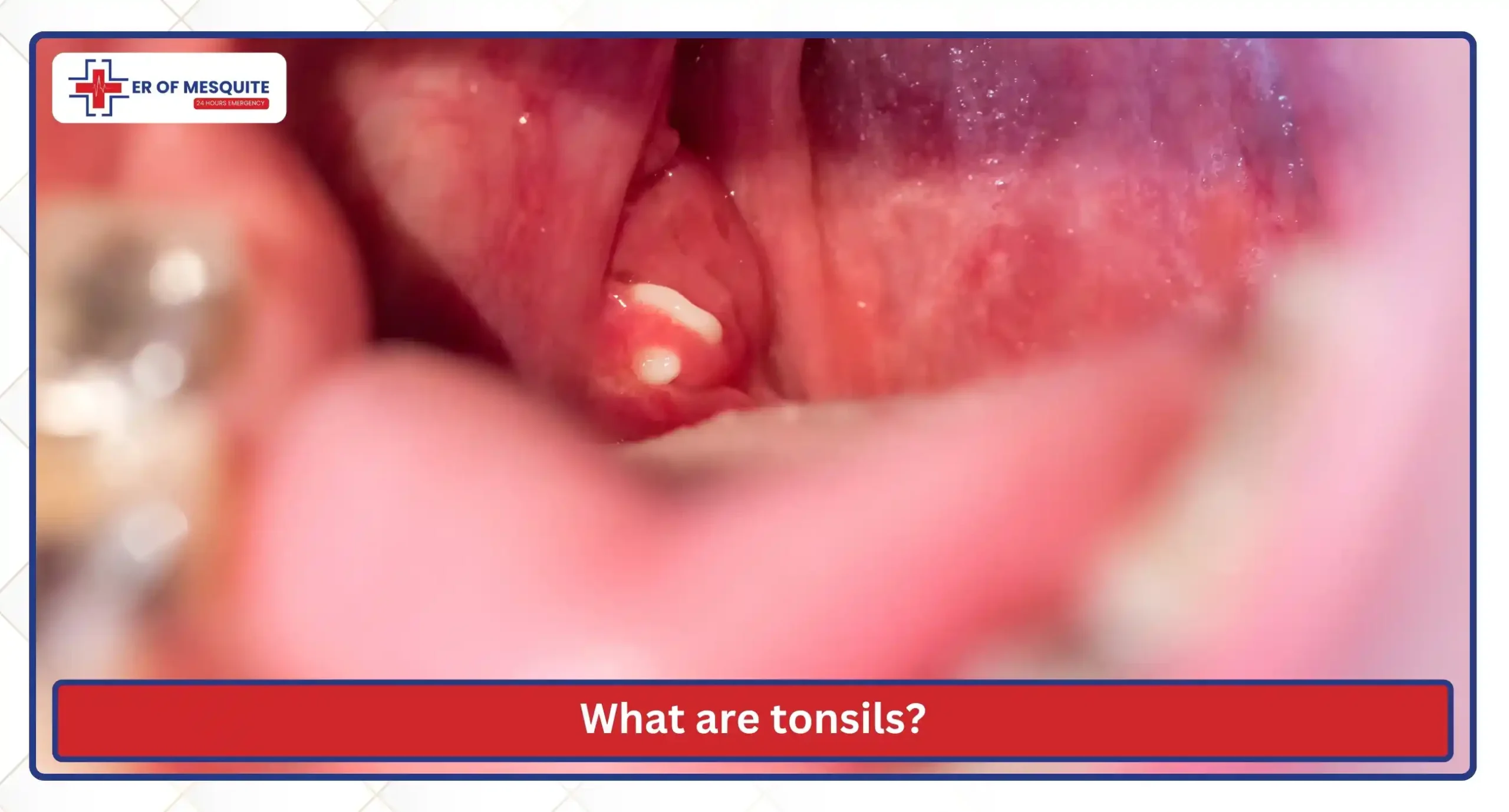
| Cause | What the spots look like | Other common signs | Fever? |
| Viral tonsillitis or a cold | White or yellow coating or patches on red, swollen tonsils | Cough, runny nose, hoarse voice | Sometimes, often low |
| Strep throat | White streaks or patches on red, swollen tonsils | Sudden sore throat, painful swallowing, swollen neck glands, tiny red spots on the roof of the mouth | Usually |
| Mono | A thick white or gray coating on swollen tonsils | Extreme tiredness, swollen glands in the neck, body aches | Usually |
| Tonsil stones | Small, firm white or yellow lumps in the pits of the tonsils | Bad breath, a feeling of something stuck in the throat | No |
| Oral thrush | Creamy white patches that can be wiped off, leaving red, sore skin | Patches on the tongue and inner cheeks, cottony feeling in the mouth | No |
| Leukoplakia (rare) | Flat white patches that cannot be scraped off | Often linked to smoking or tobacco use | No |
Healthline lists mono, strep throat, tonsillitis, oral thrush, tonsil stones, and, less commonly, leukoplakia as causes of white spots on the tonsils.
White Spots on Tonsils With No Fever
White spots without a fever usually point to one of three things:
- Tonsil stones. The most common cause of white spots with no fever and no illness. They often come with bad breath or a feeling that something is stuck in your throat.
- A mild viral infection. A cold can cause a white coating on the tonsils with a scratchy throat but little or no fever.
- Oral thrush. White patches that wipe off, often on the tongue and cheeks too, and more common in babies, denture wearers, and people with weakened immune systems.
Strep can occasionally cause white patches with only a mild fever or none at all, especially early on. If your throat is very sore and swallowing hurts, a strep test is the only way to rule it out.
Can a Cold Cause White Spots on Tonsils?

Yes. The viruses that cause colds can inflame the tonsils and leave a white or yellow coating or patches on them. Mucus dripping down the back of the throat can also leave a white film. Cold-related spots usually come with a cough, runny nose, or stuffy nose, and they tend to fade within about a week as the cold clears. According to Cleveland Clinic, viruses cause about 70% of tonsillitis cases.
Strep Throat vs. Viral Tonsillitis: How to Tell
| Sign | More likely strep | More likely viral |
| Start | Sudden | Gradual |
| Fever | Usually present | Often mild or absent |
| Cough and runny nose | Usually absent | Usually present |
| Neck glands | Swollen and tender | Mildly swollen or normal |
| Other | Tiny red spots on the roof of the mouth, headache, stomach ache in kids | Hoarse voice, red or watery eyes |
These patterns are clues only. Strep and viral infections can look very similar, which is why a quick strep and mono testing swab is a reliable way to tell. Confirmed strep throat needs treatment from a clinician to clear the infection and prevent complications.
White Spot on One Tonsil
A white spot on just one tonsil is most often a tonsil stone or the early stage of an infection that has not spread to the other side yet. Less commonly, a pocket of pus can form next to one tonsil, called a peritonsillar abscess. It causes severe pain on one side, a muffled voice, drooling, and trouble opening the mouth, and it needs to be drained by a clinician.
White Spots on Tonsils With No Pain
Painless white spots are usually tonsil stones or mild thrush. Spots that do not hurt and do not go away after a few weeks, especially in people who smoke, should be looked at, since leukoplakia also tends to be painless.
Tonsil Stones: The Common No-Fever Cause
Tonsil stones, also called tonsilloliths, form when food bits, dead cells, and mucus get trapped in the small pits of the tonsils and harden. They are harmless but can be annoying. To manage them:
- Gargle with warm salt water after meals.
- Use a water flosser on its lowest setting, aimed gently at the tonsils.
- Brush your teeth and tongue twice a day, and stay hydrated.
- Do not poke at stones with sharp objects, which can injure the tonsils.
Large or frequent stones can be removed by a clinician.
How Long Do White Spots on Tonsils Last?
It depends on the cause. Cleveland Clinic notes that most tonsillitis symptoms improve within three to four days. Viral cases usually clear within a week, and bacterial cases take about 10 days. Mono can take several weeks. Tonsil stones can come and go for months.
[H2] Are White Spots on Tonsils Contagious?
If an infection is the cause, yes. Cleveland Clinic notes that the viruses and bacteria behind tonsillitis are highly contagious and spread through kissing, sharing utensils, close contact, touching contaminated surfaces, and coughs and sneezes. Tonsil stones and leukoplakia are not contagious.
[H2] How to Ease a Sore Throat With White Spots
- Gargle with warm salt water several times a day.
- Drink warm liquids such as tea with honey (for anyone over 1 year old) or broth.
- Try cold foods such as ice pops, ice chips, or yogurt.
- Rest and use a humidifier at night.
- Keep drinking fluids, even when swallowing hurts. If you or your child cannot keep fluids down, our dehydration treatment can help.
[H2] White Spots on Tonsils in Children
Strep throat is most common in school-age children, and young kids may complain of a stomach ache or headache instead of a sore throat. Watch for refusing to eat or drink, drooling, or a high fever. Our pediatric emergency room sees children of all ages around the clock.
[H2] ER of Mesquite
ER of Mesquite is open 24/7, with board-certified emergency physicians and on-site testing for strep, mono, and other infections. We also provide high fever treatment for adults and children.
Visit our emergency room in Mesquite at 1080 E Cartwright Rd, Mesquite, TX 75149, or call (469) 649-1007. No appointment needed.
[H2] Frequently Asked Questions
[H3] Are white spots on tonsils always strep?
No. Most white spots are caused by viruses or tonsil stones. Strep is one possible cause, and a throat swab is the only way to confirm it.
[H3] Can a cold cause white spots on tonsils?
Yes. Cold viruses can inflame the tonsils and leave a white or yellow coating, usually alongside a cough or runny nose.
[H3] What does it mean if I have white spots on my tonsils but no fever?
Tonsil stones, a mild viral infection, or oral thrush are the most likely causes. Strep can occasionally appear without much fever, so test if your throat is very sore.
[H3] How do I get rid of white spots on my tonsils?
It depends on the cause. Saltwater gargles, fluids, and rest help viral infections. Tonsil stones can be loosened with gargling or a gentle water flosser. Strep and thrush need treatment from a clinician.
[H3] Is tonsillitis contagious?
Yes. The viruses and bacteria that cause it spread through saliva, close contact, shared utensils, and coughs and sneezes.
[H3] How long do white spots on tonsils last?
Viral spots usually fade within a week, and bacterial infections take about 10 days to clear with treatment. Tonsil stones can come and go.