Fractures, bruises, and other orthopedic conditions can be sudden. It causes serious discomfort and affects your daily activities. There might be a few conditions where an external support through a medical device is required for bone healing. One such medical device is a bone stimulator that is preferred when the bone is healing slowly or is not showing any visible signs of nonunion.
Bone stimulators use electrical, ultrasonic, or magnetic energy to naturally heal the bone growth process. At times, when the fracture recovery process is slow and might take months with the help of bone stimulators, the healing complications can be avoided, and the recovery outcomes are improved.
It is important to learn when a bone stimulator should be preferred so that the recovery process can speed up. In this blog, we will illustrate how a bone stimulator works and when it should be used so that appropriate medical assistance can be provided on time.
What Is a Bone Stimulator?
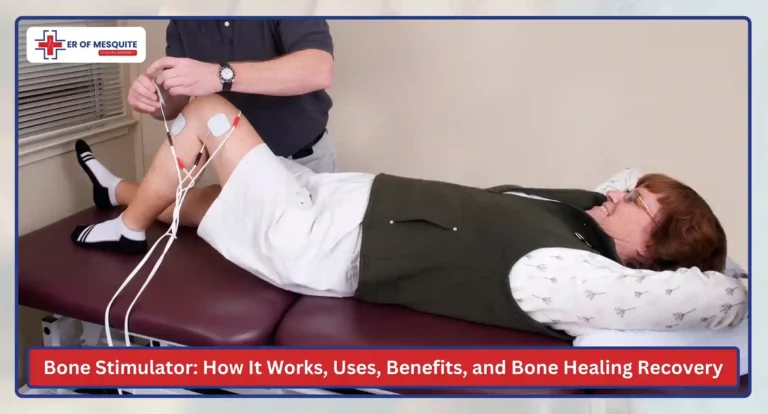
It is a medical device that supports the bone healing process with the help of low-level electrical currents, ultrasound waves, or electromagnetic signals. With the help of these signals, you can stimulate bone cells and also repair damaged bone tissue.
Bone stimulators are used to:
- Slow-healing fractures
- Stress fractures
- Nonunion fractures
- Heal spinal fusion
- Treat complex orthopedic injuries
- Recovery after orthopedic surgery
A bone stimulator can be used in both internal and external forms, where an external device is worn outside the body, whereas an internal stimulator is implanted during the surgery.
At ER of Mesquite, advanced imaging and emergency evaluation are available to help assess fractures, chest injuries, severe bone pain, and other urgent orthopedic concerns.
How Do Bone Stimulators Work?
When a bone gets fractured, it naturally heals by producing new bone tissue. At times, this healing process might slow down due to multiple factors such as poor blood supply, severe trauma, smoking, infection, or a serious medical issue. With the help of a bone stimulator, the cellular activity can be encouraged, which supports bone repair.
Bone stimulators work by:
- Sending electrical signals to the affected bone
- Stimulate cells that form bones
- Improving blood circulation around the fracture
- Supporting new bone growth
If you are recovering from muscle injuries, strains, or orthopedic pain, refer to our related blog, How to Speed Up Muscle Strain Recovery Timeline, Treatment, and Expert Tips, for recovery tips and treatment guidance.
Conditions That May Require Bone Stimulators
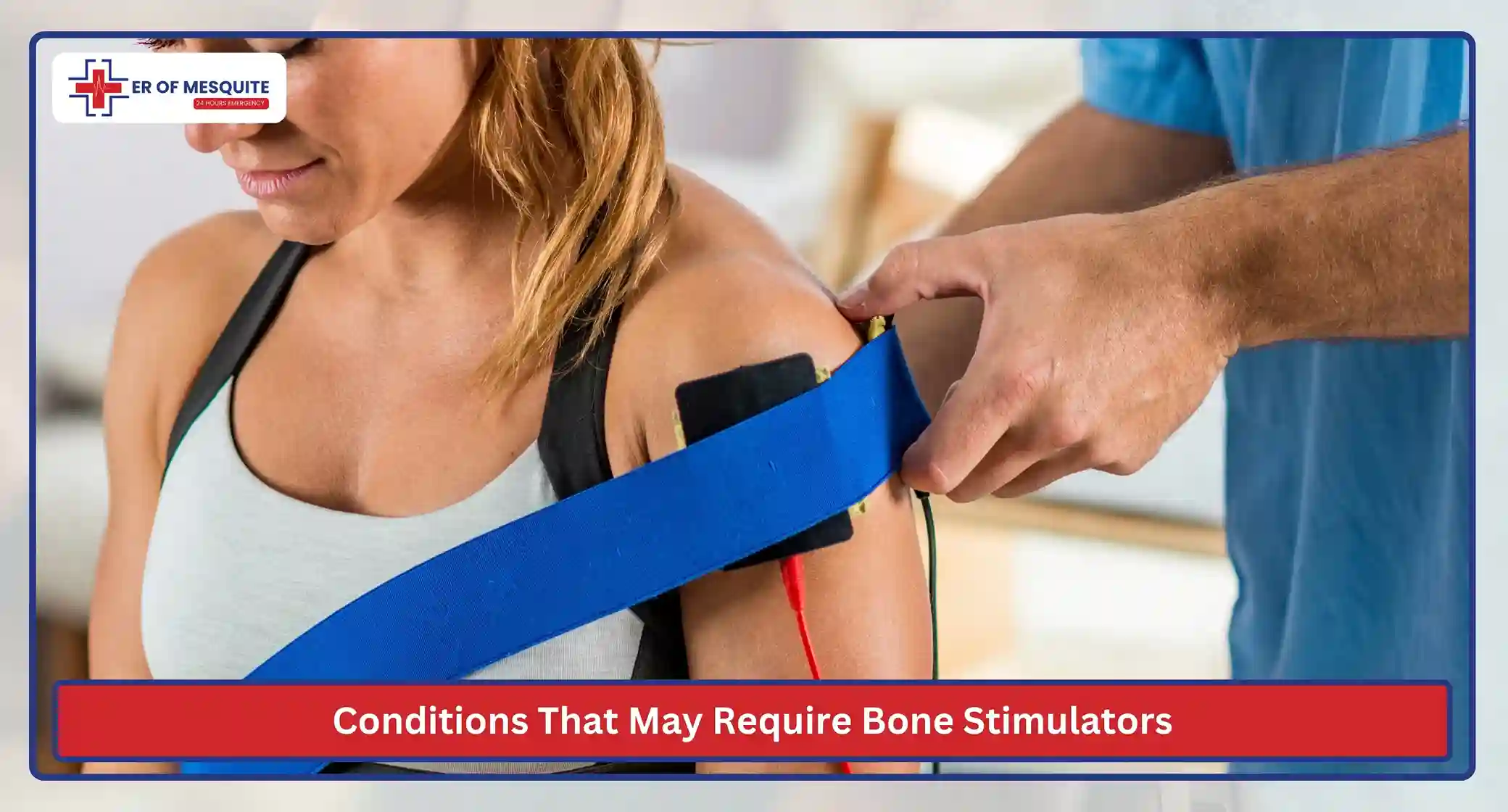
Bone stimulators may be recommended for several orthopedic injuries and recovery situations.
Common conditions include:
- Stress fractures
- Severe fractures
- Spinal fusion recovery
- Bone healing after surgery
- Fractures requiring skeletal traction
- Slow-healing orthopedic injuries
Patients recovering from procedures such as akin osteotomy may also benefit from bone stimulation therapy if healing is delayed. An akin osteotomy is a corrective foot procedure commonly performed to improve bunion alignment and walking mechanics.
How to Tell if a Bone Is Fractured or Bruised
Right after an injury, knowing whether a bone is fractured or bruised is difficult. This is because both conditions involve pain, swelling, and tenderness. Since fractures are more severe than bruises, knowing their difference is important. The exact accurate diagnosis can be done with the help of medical imaging such as digital X-rays or MRI’s.
The table below illustrates a few differences between a fractured bone and bruises.
| Symptom | Fractured Bone | Bone Bruise |
| Pain Level | Severe or sharp pain | Mild aching pain radiating to a moderate level |
| Swelling | Common and often significant | Mild to moderate swelling |
| Bruising | Frequently present | May also occur |
| Movement | Difficulty or inability to move the area | Able to move |
| Deformity | May appear bent or misshapen | No visible deformity |
| Weight-bearing | Pain worsens when standing or walking | Less severe discomfort |
When the signs start becoming severe or the movement gets difficult, getting prompt medical attention becomes essential to identify whether the pain is due to a fracture, bruise, or some other minor injury.
Bone Stimulators Are Often Used to Treat Nonunions
Doctors usually recommend bone stimulators for nonunion fractures. A nonunion occurs when a broken bone fails to heal properly after several months.
Below are a few common signs of nonunion:
- Persistent pain
- Swelling around the fracture
- Limited movement
- Delayed healing on imaging tests
- Weakness in the affected area
It is commonly used to treat nonunions because it may help activate the healing process without requiring additional surgery in some cases.
Benefits of Bone Stimulators
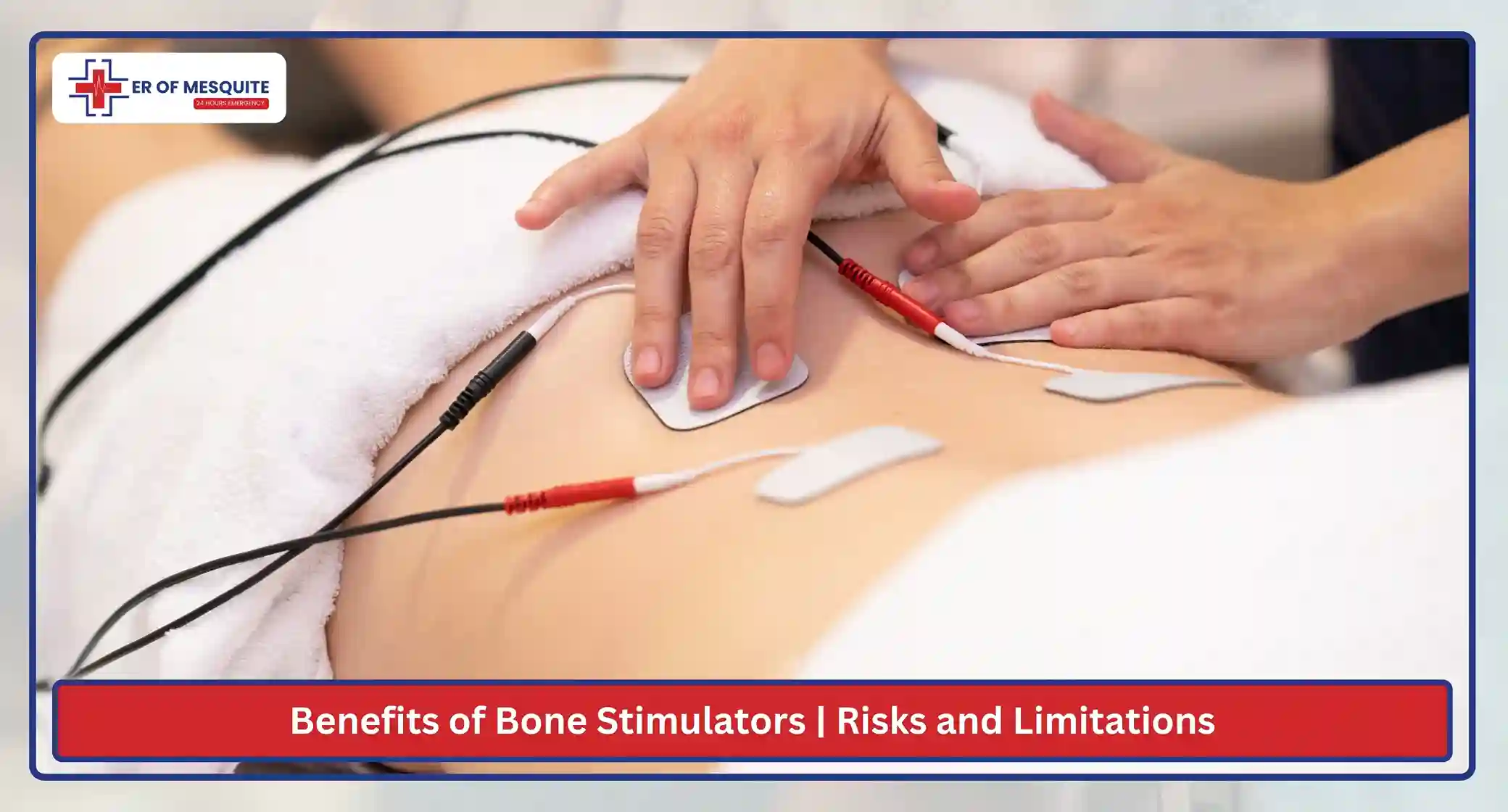
Bone stimulators have various benefits that assist in orthopedic recovery.
Below are a few possible benefits of bone stimulators:
- Bone healing gets fast
- Reduced risk of nonunion
- Fracture recovery improves
- Support after surgery
- Reduced need for repeat procedures
If you are experiencing chest wall pain, rib movement, or discomfort related to rib subluxation, refer to our related blog Slipping Rib Syndrome: Learn when to go ER for Emergency Care to understand symptoms and when emergency evaluation may be necessary.
Risks and Limitations
Bone stimulators are considered safe, but they may not work for every patient or injury type. Some fractures still require surgery or additional treatment despite stimulation therapy.
Below are a few possible risks and limitations of using a bone stimulator:
- Delayed results
- Variable healing response
- Need for consistent daily use
- Possible skin irritation from external devices
Patients need to follow orthopedic instructions carefully to improve recovery success.
Conclusion
At the end, it can be demonstrated that bone stimulators play an important role in modern orthopedic recovery. They help by supporting bone healing in fractures, nonunions, spinal conditions, and post-surgical recovery. Conditions such as slipping rib syndrome, rib subluxation, bruised sternum injuries, and fractures requiring skeletal traction require careful orthopedic evaluation and monitoring.
Understanding how to tell if a bone is fractured or bruised and recognizing symptoms early can help prevent complications and improve healing outcomes. With proper treatment, rehabilitation, and medical support, many patients recover successfully and regain strength, mobility, and function.
Frequently Asked Questions (FAQs)
What is a bone stimulator?
It is a device that helps encourage bone healing using electrical, ultrasonic, or magnetic energy.
What are bone stimulators used for?
Bone stimulators are used to treat nonunions, stress fractures, and slow-healing bone injuries.
Do bone stimulators really work?
They help in improving healing in certain fractures and orthopedic conditions.
How long do you use a bone stimulator?
The time varies, but many patients use the device daily for several weeks or months.
What is slipping rib syndrome?
Slipping rib syndrome occurs when ribs move abnormally due to weakened cartilage attachments.