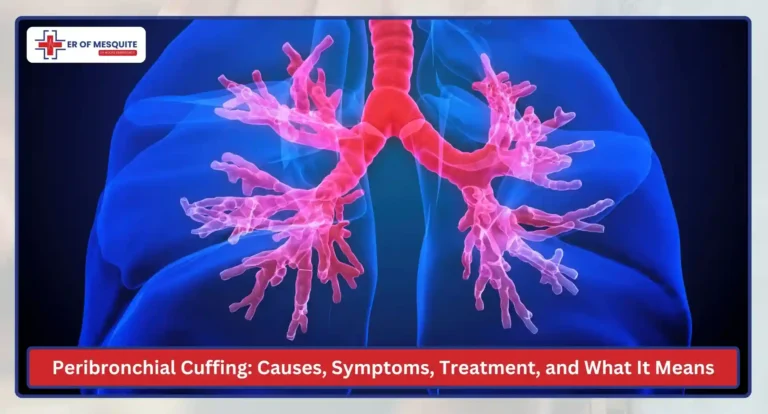
Persistent coughing, shortness of breath, or chest tightness is not always due to viral infection. Sometimes it might be indicating a serious underlying issue that can be noticed during a radiologist’s findings. One such condition is peribronchial cuffing that is noticed in x-rays or CT scans, which happens when the walls around the bronchi appear thick, occurring due to excessive mucus, fluid buildup, or inflammation.
Although it is not an actual disease, it might be a sign of a serious underlying condition that might affect the lungs or airways. It might indicate issues such as asthma, respiratory infections, chronic lung disease, and pulmonary vascular congestion.
In this blog we will help you understand what causes peribronchial cuffing and how it can be treated so that you can manage your respiratory health.
What Is Peribronchial Cuffing?
This condition is observed due to thickened tissue around the bronchi. Medical experts often describe this condition as peribronchial thickening or bronchial wall thickening.
Due to this condition, the airway wall gets thin and cannot be seen on imaging. As a result, airway walls look thickened due to inflammation or fluid, making it more visible and creating a ring-like or cuffed structure.
This condition can occur in both adults and children and happens due to a respiratory or cardiovascular condition.
For prompt evaluation of respiratory symptoms and other urgent medical concerns, ER of Mesquite provides 24/7 emergency care with advanced diagnostic imaging and experienced medical professionals.
What Causes Peribronchial Cuffing?
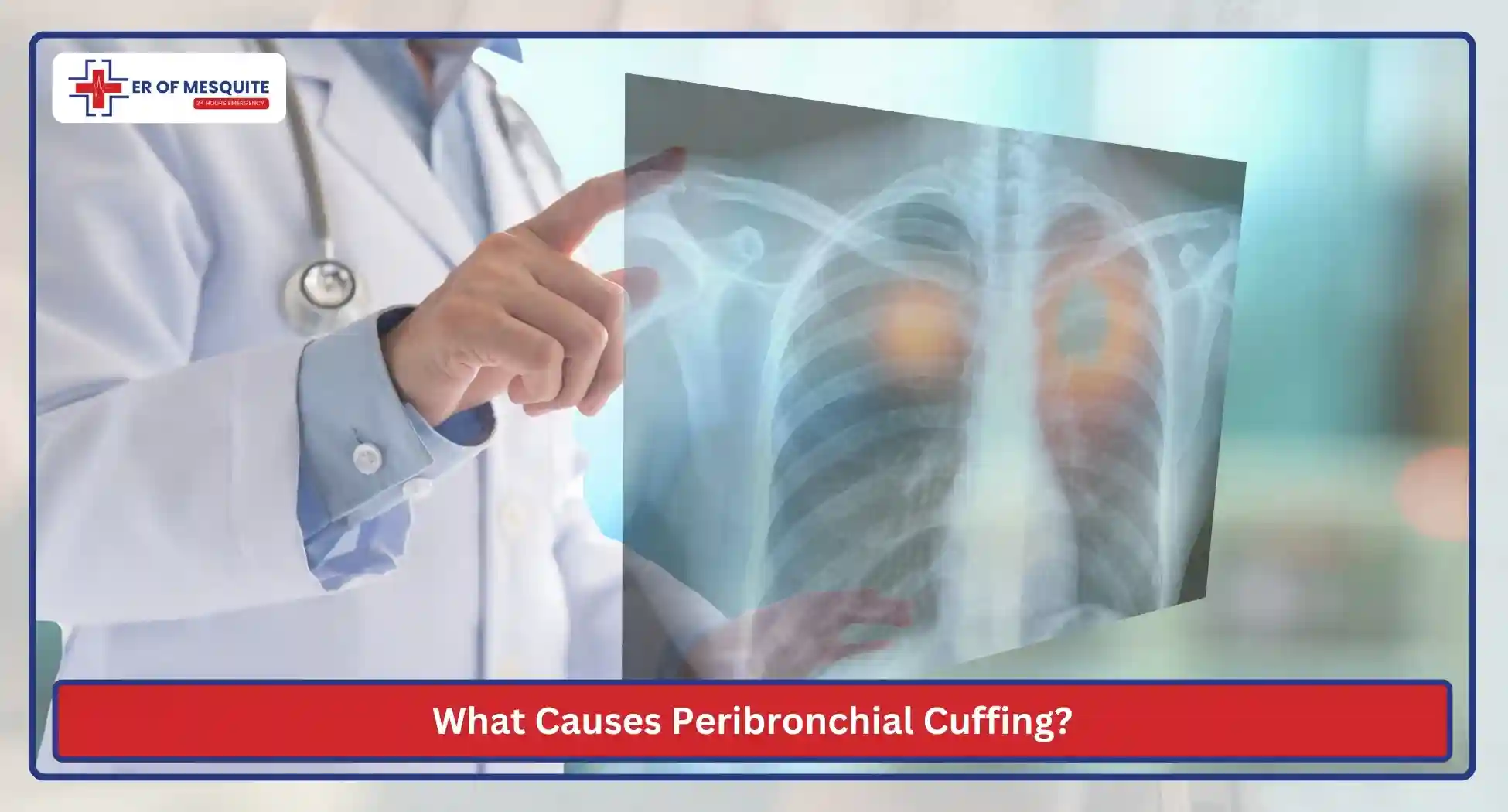
They are different conditions that can lead to inflammation or fluid buildup around the airways. It is important to learn about these causes, as it helps in understanding the health condition. A few of the major causes are listed below.
Asthma
This is one of the most common causes of peribronchial cuffing. This is because chronic airway inflammation can cause the bronchial walls to thicken, making it more prominent.
Respiratory Infections
Different viral infections, bronchitis, pneumonia, and various other respiratory illnesses can result in swelling of airways, increasing the mucus production, causing peribronchial cuffing.
Pulmonary Edema and Heart Conditions
Excessive buildup of fluid in the lungs can result in heart failure or circulatory problems wrestling to peribronchial cuffing. In these situations pulmonary vascular congestion can also be identified.
Chronic Obstructive Pulmonary Disease (COPD)
People suffering with COPD may develop chronic airway inflammation, causing thickened bronchial walls and other lung abnormalities.
Allergic Reactions
Various allergies can cause airway inflammation and mucus production; this results in bronchial wall thickening.
Peribronchial Cuffing Symptoms
Peribronchial cuffing does not have any visible signs, as it is a noticed imaging finding. The signs usually arise due to an underlying condition resulting in cuffing. Its signs can increase and arise from the underlying condition responsible for the cuffing.
Below are a few peribronchial cuffing symptoms:
- Constant cough
- Wheezing
- Shortness of breath
- Chest tightness
- Increased mucus production
- Difficulty breathing during exercise
- Fatigue
These signs can be more serious based on the underlying cause and the extent of airway involvement.
Chest discomfort can result from both respiratory conditions and muscle injuries. Read our blog Pulled Chest Muscle Guide: Symptoms, Healing Time, and 24/7 ER Care in Mesquite to learn how chest muscle pain differs from symptoms caused by underlying lung conditions.
Peribronchial Cuffing in a Child
If your child experiences signs of peribronchial cuffing, then it is important to get them immediate medical assistance. This is because it is common in children due to respiratory infection, bronchiolitis, allergies, or asthma.
Children suffering from peribronchial cuffing normally notice coughing, wheezing, rapid breathing, nasal congestion, and also eating difficulty in infants. It can heal with time if the underlying issue is identified and resolved. If the problem keeps appearing again, then it requires in-depth evaluation.
If your child is suffering from such an issue, then it is important to seek immediate pediatric medical care to resolve the issues such as wheezing, high fever, or respiratory distress.
Is Peribronchial Cuffing Bad?
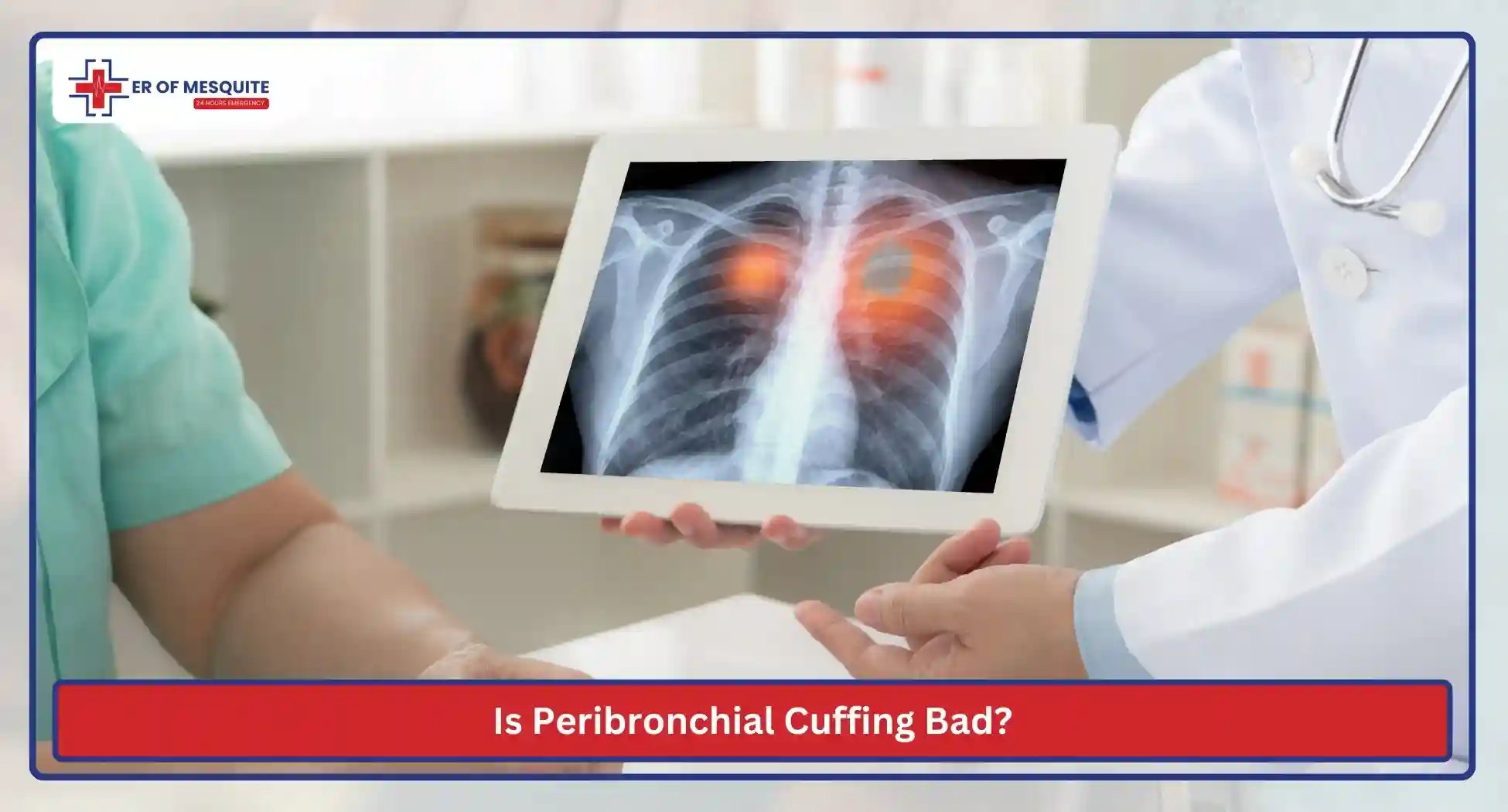
No, peribronchial cuffing itself is not an issue and does not indicate something dangerous, but the underlying condition needs to be observed. This is because it might be indicating inflammation, infection, fluid accumulation, or a chronic lung issue.
Minor cases are not something serious and can appear due to a temporary respiratory infection. If the cuffing is severe and persistent due to a lung issue or heart condition, then it requires immediate evaluation and treatment.
Healthcare providers view the symptoms, medical history, and imaging results when analyzing the severity of peribronchial cuffing.
Because peribronchial cuffing is often identified through chest imaging, our blog Digital X-Ray in Mesquite: Why Modern Scans Are Safer and Faster? explains how modern X-rays help healthcare providers quickly evaluate lung and airway conditions.
Peribronchial Cuffing Treatment
The right treatment for peribronchial cuffing is based on the underlying condition causing airway inflammation or fluid buildup.
Below are a few treatment options for peribronchial cuffing:
| Cause | Treatment |
| Asthma or Silent Asthma | Take doctor-prescribed Inhalers,and trigger avoidance |
| Respiratory Infections | Rest, hydration, and antibiotics if bacterial |
| Bronchiolitis (Children) | Supportive care, IV fluids (if needed) |
| COPD | Bronchodilators, pulmonary rehabilitation, smoking cessation |
| Pulmonary Vascular Congestion | Diuretics and treatment of the underlying heart condition |
| Allergies | Antihistamines and anti-inflammatory medications |
Final Verdict
In a nutshell, peribronchial cuffing is a radiologic finding that happens when the airway walls become thickened due to inflammation, excess mucus, or fluid buildup around the bronchi. It is not dangerous as it is not a disease itself, it can be an important indicator of underlying conditions such as asthma, respiratory infections, COPD, or pulmonary vascular congestion.
The severity of peribronchial cuffing is based on its cause and any symptoms. Early evaluation and appropriate treatment of the underlying condition can help improve breathing, reduce complications, and support overall lung health.
Patients who experience persistent respiratory symptoms or abnormal imaging results should consider consulting a healthcare provider for an accurate diagnosis and personalized treatment plan.
Frequently Asked Questions (FAQs)
What is peribronchial cuffing?
Peribronchial cuffing is a condition in which the airway walls appear, often noticed in radiologist findings.
What causes peribronchial cuffing?
Few of its signs are asthma, respiratory infections, COPD, allergies, and pulmonary vascular congestion.
Is peribronchial cuffing serious?
No, its significance is based on the underlying condition causing the airway thickening.
Can peribronchial cuffing occur in children?
Yes, it is commonly seen in children with viral infections, bronchiolitis, or asthma.
How is peribronchial cuffing treated?
Treatment focuses on managing the underlying cause, such as asthma, infection, or heart-related conditions.