Pain in the throat can be uncomfortable, as it might cause difficulty while eating, drinking, or even talking. Knowing the reason for the pain helps in taking the right medical treatment and precautions. If the pain is persistent and has similar symptoms, then you might be having tonsil stones.
To understand how to tell if you have tonsil stones, it is important to notice a few common signs, including bad breath, persistent pain, or small white or yellow spots. Such signs give you an idea regarding tonsil stones so that you know when to seek medical assistance.
In this guide, we will elaborate on everything you need to know regarding the signs, causes, and effective treatment options of tonsil stones.
What Is a Tonsil Stone?
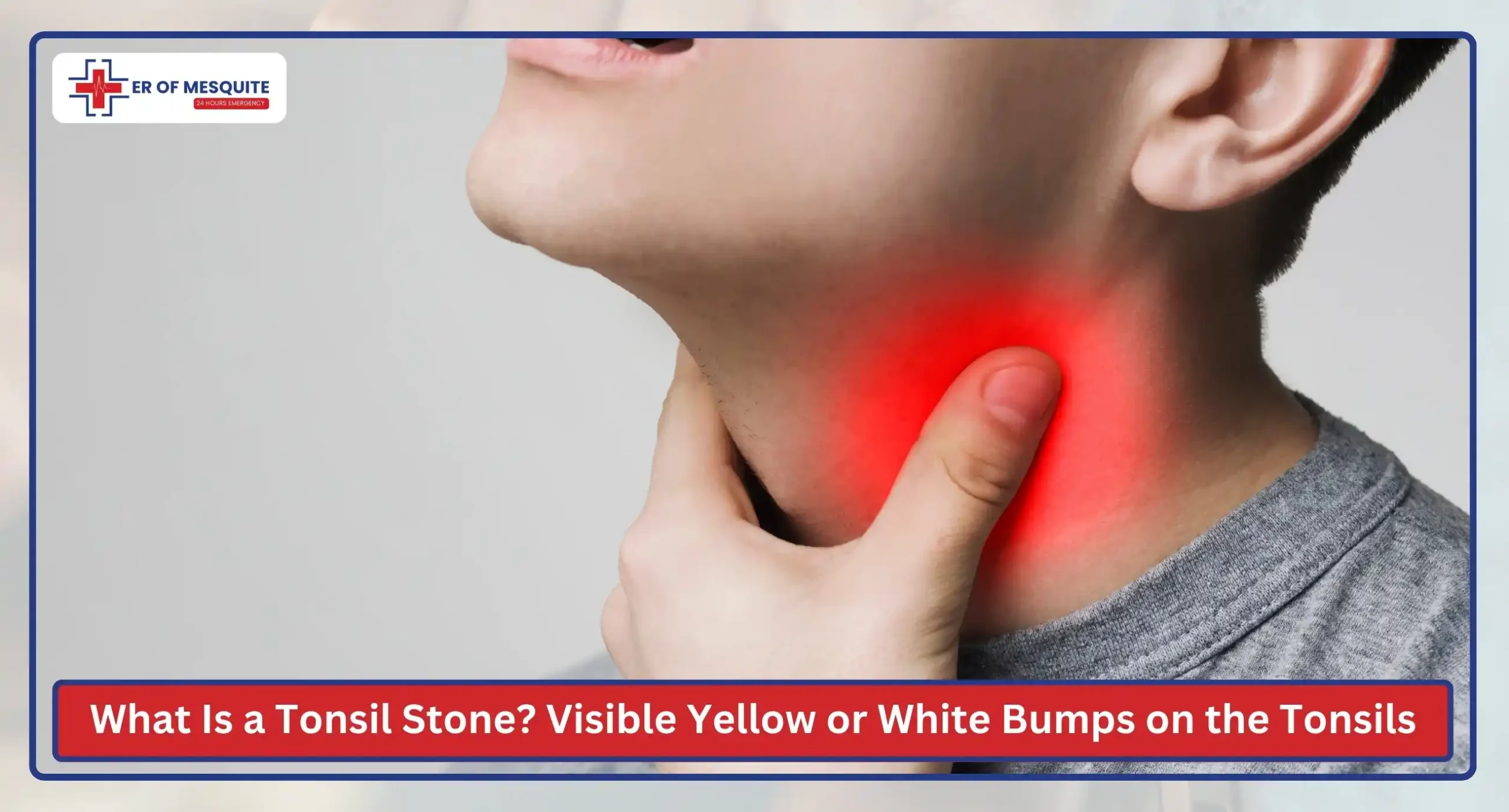
Tonsil stones, also known as tonsilloliths, are small, hard balls that form in the crevices of tonsils. They are formed due to trapped debris, including food particles, dead cells, bacteria, or mucus. Over time, it starts building into small white or yellow spots on the tonsils.
People often have this complaint that they have hard balls on the side of their throat, which causes irritation or problems while swallowing.
To learn how to tell if you have tonsil stones or not is a combination of signs and causes. Tonsil stones might be small and sometimes not be noticed easily, but they can cause persistent pain.
If you have tonsil stones, then you might notice the following:
- Constant pain in the throat
- Issues in swallowing
- Mild irritation or pain in the tonsils
Visible Yellow or White Bumps on the Tonsils
Yellow or white bumps on the tonsils are one of the most common and clear signs of tonsillitis. These bumps are clearly lodged signs within the tonsil crypts. You might also observe small white or yellow spots on the tonsils, clusters or tiny lumps, or minor swelling in the tonsil area.
These stones are hidden inside, making them less visible, but they become visible as hard or yellow formations on the tonsils.
If the symptoms persist or become uncomfortable, visit ER of Mesquite, where we can help you get a timely evaluation along with guidance.
Tonsil Stones Symptoms
There are a few common signs of tonsil stones. It helps in easily identifying the problem so that you can follow the right medical treatment.
Chronic Bad Breath
Constant bad breath, also known as halitosis, is one of the most common signs of tonsil stones. This unpleasant odour is due to bacteria that are trapped inside the stones.
This bad breath would remain there even if you brush regularly or use mouthwash. Noticing persistent bad breath and a metallic taste is a strong indication of tonsil stones.
Bad Taste in Your Mouth
Having a bad taste in food is another common sign of tonsil stones. This happens due to the bacteria and debris that start developing inside the tonsil stones and release sulphur. Due to this, you might notice a constant bitter taste and an unpleasant taste, along with a change in taste while eating.
Sore Throat
A scratching sensation or soreness in the throat is a common issue people with tonsil stones experience.
This happens because of the following:
- Inflammation
- Bacteria causing infections
- Stones rubbing against the throat tissues
Feeling throat blockage
People often notice tonsil stones as a blockage in the throat. People notice this when they experience persistent issues with swallowing, a choking sensation, or throat discomfort.
Can Tonsil Stones Cause Serious Problems?
Yes, if tonsil stones are ignored and left untreated, then they can gradually cause problems. Normally, it is harmless, but over time, it can cause chronic bad breath and a bad taste in the mouth. If ignored for a long time, then it might grow large and cause difficulty while swallowing, causing irritation.
If the tonsil stones start increasing, then it might cause an infection or persistent pain in the throat. It might not be serious, but it should not be ignored, and appropriate tonsil stone treatment should be undertaken to avoid discomfort.
In some cases, symptoms like a sore throat and discomfort may resemble strep throat, so it’s important to identify the exact cause so that the right treatment method can be adopted.
Common Tonsil Stones Causes
Tonsil stones form when debris becomes trapped in the tonsil crypts and hardens over time. Several different factors increase the chances of tonsil stones, including:
- Poor oral hygiene
- Chronic sinus issues
- Constant throat infections
- Post-nasal drip
- Huge tonsils with deep crevices
If you’re dealing with symptoms but can’t see any visible stones, check out our blog “How to Remove Tonsil Stones You Can’t See: Hidden Tonsil Stones Explained”.
Tonsil Stones Treatments
Tonsil stones can be treated in different ways. The most effective treatment depends upon how severe the condition is and its cause. Tonsil stones can be treated with medical assistance or controlled with at-home treatments.
At-Home Treatments to control tonsil stones:
- Gargling with salt water
- Slowly remove stones with a water flosser
- Following good oral hygiene
- Coughing to disconnect small stones
Medical treatments to remove tonsil stones:
- Surgery to remove tonsil stones
- Antibiotics, if you have an infection
- Laser tonsil cryptolysis
When the treatment is taken at an early stage, it can prevent symptoms like chronic bad breath and throat irritation from worsening.
For a step-by-step guide on safe removal techniques, check out our blog on How to Push Out Tonsil Stones.
Final Thoughts
Knowing how to tell if you have tonsil stones can help you take the issue seriously at an early stage and avoid future complications. Tonsil stones appear as visible yellow or white bumps on the tonsils. It might come along with other signs, including bad taste in the mouth, bad breath, and persistent pain when triggered.
Tonsil stones can be prevented by practising good oral hygiene and also taking the right tonsil stone treatments. If the signs are persistent and not improving, it is important to consult a professional health care provider.
Frequently Asked Questions (FAQs)
What are tonsil stones?
Tonsil stones are small, hard, white or yellow deposits in the tonsils.
How to tell if you have tonsil stones?
A few common signs of tonsil stones are bad breath, white bumps, and throat discomfort.
Do tonsil stones cause bad breath?
Yes, they cause bad breath due to bacterial buildup.
Are tonsil stones painful?
It causes mild discomfort, not severe pain.
Can tonsil stones go away on their own?
Yes, smaller and minor cases of tonsil stones go away on their own.
What are the best tonsil stone treatments?
Gargling, removal, and good oral hygiene.